Remodeling Contractor Tips: How to Guarantee a Seamless Renovation Experience
Managing a home renovation can be demanding. Residents often face unforeseen obstacles that can create difficulties. Picking the right renovation specialist is vital for avoiding common pitfalls. Transparent communication and proper discussion can make a substantial change. Yet, many neglect important measures that can lead to setbacks and complications. Recognizing these valuable tips can help streamline the journey and secure a favorable conclusion. How can homeowners best prepare for these challenges?
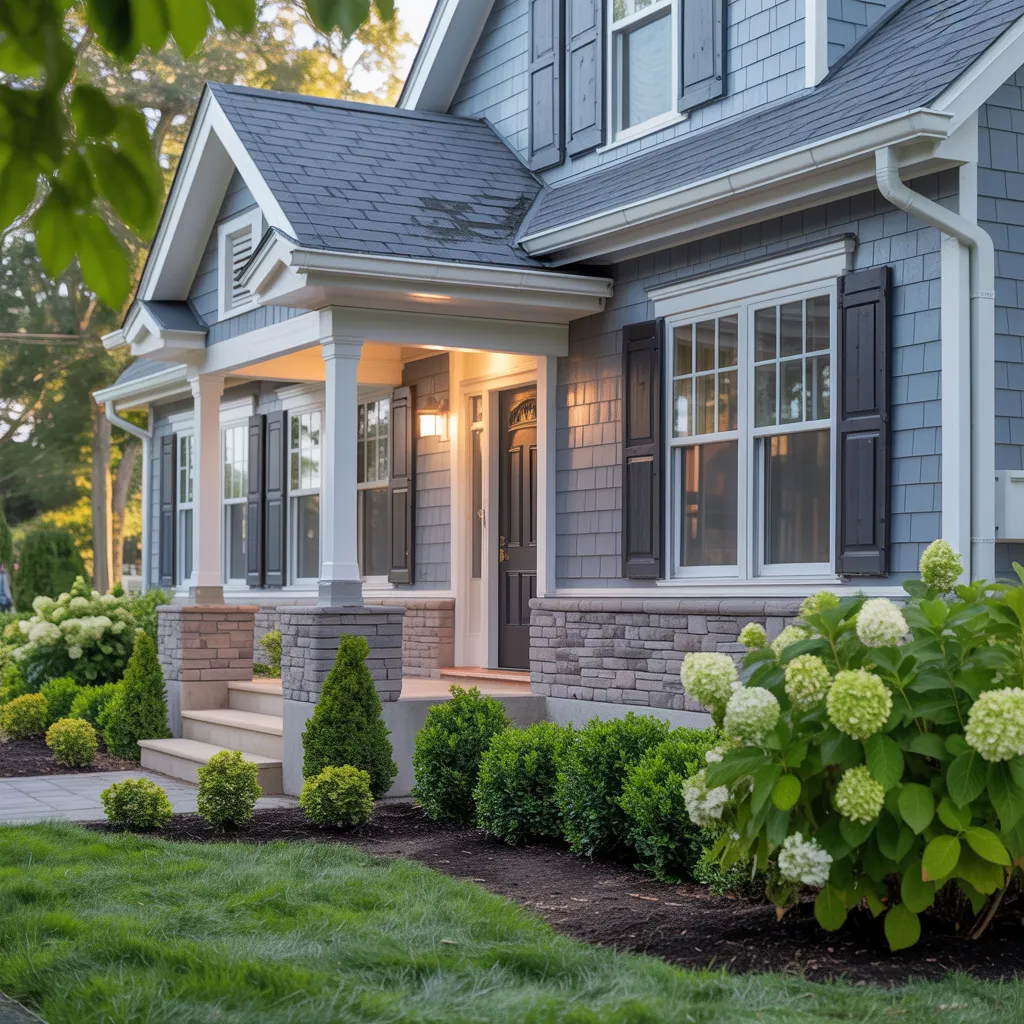
What a Remodeling Contractor Does
A renovation contractor orchestrates the intricate process of home renovations, ensuring that projects run smoothly from start to finish. This professional functions as the primary point of contact in managing various tasks, from initial planning to the final touches. They demonstrate a thorough grasp of building methods, construction materials, and regional regulations, which empowers them to form well-reasoned judgments that impact project outcomes.
The contractor is responsible for managing subcontractors, scheduling work, and overseeing the budget. They additionally function as a bridge between clients and tradespeople, resolving issues and delivering updates during the renovation process. Strong communication is critical, as it ensures the client's vision aligns with practical implementation. By balancing timelines and quality, the remodeling contractor minimizes disruptions and enhances overall efficiency. At the core, their knowledge and direction are key to turning a client's remodeling aspirations into tangible results while ensuring a commitment to safety and industry standards.
How to Set Clear Expectations for Your Project
Defining clear expectations is vital for the favorable outcome of any remodeling project. Homeowners should begin by defining their goals and desired outcomes, guaranteeing that everyone involved understands the extent of the work. Detailed project descriptions help prevent misunderstandings later on. Establishing a realistic budget is also crucial; it ought to account for possible unexpected costs.
Homeowners should convey their project timelines, such as start and finish dates, which helps align contractor schedules. Talking through the materials needed and their availability can further clarify the project's direction. Frequent communication can aid in handling concerns as they arise, strengthening a cooperative working environment.
At the end of the day, documenting all agreements and decisions can act as a point of reference throughout the project, preventing misunderstandings. By defining these expectations clearly, property owners can foster a more organized and efficient renovation process, guaranteeing that the completed project reflects their goals.
The Value of Effective Communication
Effective communication serves as the foundation of any thriving remodeling endeavor, ensuring that contractors and homeowners stay on the same page from start to finish. It fosters transparency, allowing both parties to express their needs, ideas, and concerns without hesitation. When communication is clear and consistent, misunderstandings can be minimized, which helps eliminate costly delays and rework.
Contractors gain from regular updates, allowing them to modify their timelines and resource allocation as necessary. Homeowners, in turn, gain reassurance via regular check-ins, feeling more involved and informed. Effective communication also cultivates trust, a fundamental aspect for a productive and collaborative relationship.
Utilizing diverse means of communication, such as phone calls, emails, and face-to-face meetings, helps accommodate individual preferences and confirm that important details is communicated in a timely manner. Ultimately, focusing on effective communication not only enhances the renovation process but also plays a role in accomplishing the expected outcome in an efficient and satisfactory manner.
Important Questions for Finding the Right Contractor?
How do homeowners go about finding and selecting a dependable remodeling contractor? To make an informed choice, they should start by asking critical questions. Homeowners are advised to question the contractor regarding their experience and proficiency in targeted remodeling work, verifying that the professional holds the appropriate competencies for the job being considered. It is also essential to ask for references and examples of past work to gauge quality and reliability.
Homeowners should clarify the licensing and insurance details of the contractor, confirming that they are compliant with local regulations. Furthermore, reviewing the schedule and availability for the project allows for the creation of practical expectations. Asking about subcontractors and their qualifications may also indicate the degree of professionalism to be anticipated during the project.
Ultimately, homeowners ought to ask for a transparent payment plan and request warranty information for materials as well as workmanship. By posing these questions, property owners can more effectively evaluate prospective contractors and ultimately choose the right fit for their renovation project.
Examining Contractor Proposals
When evaluating contractor bids, it is essential to analyze pricing frameworks to guarantee budgetary consistency. Additionally, reviewing project deadlines helps in assessing the viability of every contractor's proposal. This structured method aids in making knowledgeable determinations that can significantly affect the remodeling endeavor.
Review Pricing Plans
Even though reviewing pricing structures can feel daunting, it is essential for homeowners to thoroughly review contractor proposals to confirm they are getting the most value for their money. Contractors often propose a range of pricing arrangements, such as set pricing, hourly billing, or cost-plus agreements. Homeowners should assess not only the total costs but also what is included in each proposal. For example, some proposals may include materials and labor comprehensively, while others may separate them, causing unanticipated charges further along. Additionally, evaluating payment schedules and terms can reveal potential financial risks. By recognizing these distinctions, homeowners can make educated decisions and identify a contractor whose pricing approach matches their financial plan and project requirements.
Analyze Project Timelines
Assessing construction schedules is essential for homeowners seeking clarity in contractor proposals, as delays can greatly impact costs and anticipated outcomes. A thorough review of suggested schedules helps homeowners pinpoint possible delays and ensure that contractors maintain practical timelines. Homeowners ought to examine the anticipated start and finish dates across multiple proposals, paying attention to the specific phases of the project. It is wise to question concerning the contractor's plan for managing unforeseen delays, such as environmental factors or logistical challenges. Transparent dialogue about project benchmarks can foster accountability and transparency. By comprehending the schedule, homeowners can better align their expectations and prepare for any adjustments needed throughout the renovation process, contributing to a more successful project overall.
Tips for Keeping Your Renovation on Track
Remaining on schedule during a renovation can greatly impact the general outcome of the project. To maintain momentum, open communication between the homeowner and contractor is crucial. Creating a comprehensive timeline with defined checkpoints helps everyone stay accountable. Regular check-ins can identify possible setbacks early on, ensuring that problems are handled quickly.
In addition, planning for unforeseen difficulties, such as supply chain delays or delays caused by weather, enables a more adaptable schedule. It is also important for homeowners to ensure that selections involving materials and aesthetic decisions are made in advance to avoid last-minute alterations that could hinder progress.
In conclusion, working with a credible contractor with a established reputation can significantly improve the chances of staying on schedule. A highly efficient team, find here equipped with the necessary tools and materials, will execute duties proficiently, limiting interruptions and maintaining project momentum. Effective planning and forward-thinking oversight are essential elements in achieving a timely renovation completion.
Common Remodeling Pitfalls With Contractors
Effective renovations demand not only proper time management but also an recognition of possible obstacles that can emerge when working with contractors. One common issue is miscommunication, which can lead to confusion regarding timelines, budgets, and project scope. It is imperative for homeowners to define clear goals and sustain transparent communication throughout the renovation process.
One other common error is failing to account for costs. Property owners often overlook extra costs such as permits, materials, or unforeseen repairs, which can put pressure on finances. Moreover, the choice of contractor plays a significant role; working with unlicensed or inexperienced professionals can cause inferior workmanship or legal difficulties.
In conclusion, ignoring references and feedback can end up with the wrong contractors being hired. Homeowners are advised to spend time investigating and evaluating prospective candidates to steer clear of setbacks and frustration. By recognizing these pitfalls, homeowners can safeguard their renovation projects and secure a smoother experience.
Commonly Asked Questions
What Should I Do if My Contractor Misses a Deadline?
When a contractor fails to meet a deadline, the homeowner is advised to make direct contact, voicing their concerns and requesting an explanation. Keep a written record of the exchange, check the agreement for specific terms, and think about establishing a revised schedule or looking into other solutions if needed.
How Do I Manage Unexpected Expenses During the Renovation?
To handle unanticipated charges during renovation, homeowners should carefully examine the contract, speak transparently with the project contractor, investigate different approaches, and keep a contingency fund. This preventive method assists in alleviating stress and ensures a more seamless project flow.
Which Permits Are Required for My Remodeling Project?
To establish the required permits for a renovation project, it is essential to consult municipal building requirements. Generally, permits may include zoning, plumbing, electrical, or structural authorizations, depending on the project's scope and location regulations.
Can I Live in My Home During the Renovation?
Homeowners can frequently remain in their homes throughout renovations, but it depends on the project's scope. Noise, dust, and limited access might create challenges, so careful planning and communication with contractors are essential.
How Can I Resolve Disagreements With My Contractor?
To address conflicts with a contractor, one should articulate concerns directly, be receptive to their viewpoint, work toward a mutual agreement, document discussions, and, if necessary, explore mediation options to arrive at an agreeable solution for both parties.
Comments on “Tucson Remodeling Contractor: Trusted Home Renovation Experts for Whole-Home Upgrades”